
Back to all essays
Product Strategy•5 min read•Oct 16, 2026
Designing for Complex Data: The Art of Progressive Disclosure in SaaS
Septa
Product Architect • Design Tokens Lead
“How to prevent cognitive overload in enterprise software without crippling power-user productivity through multi-tiered progressive disclosure architectures.”
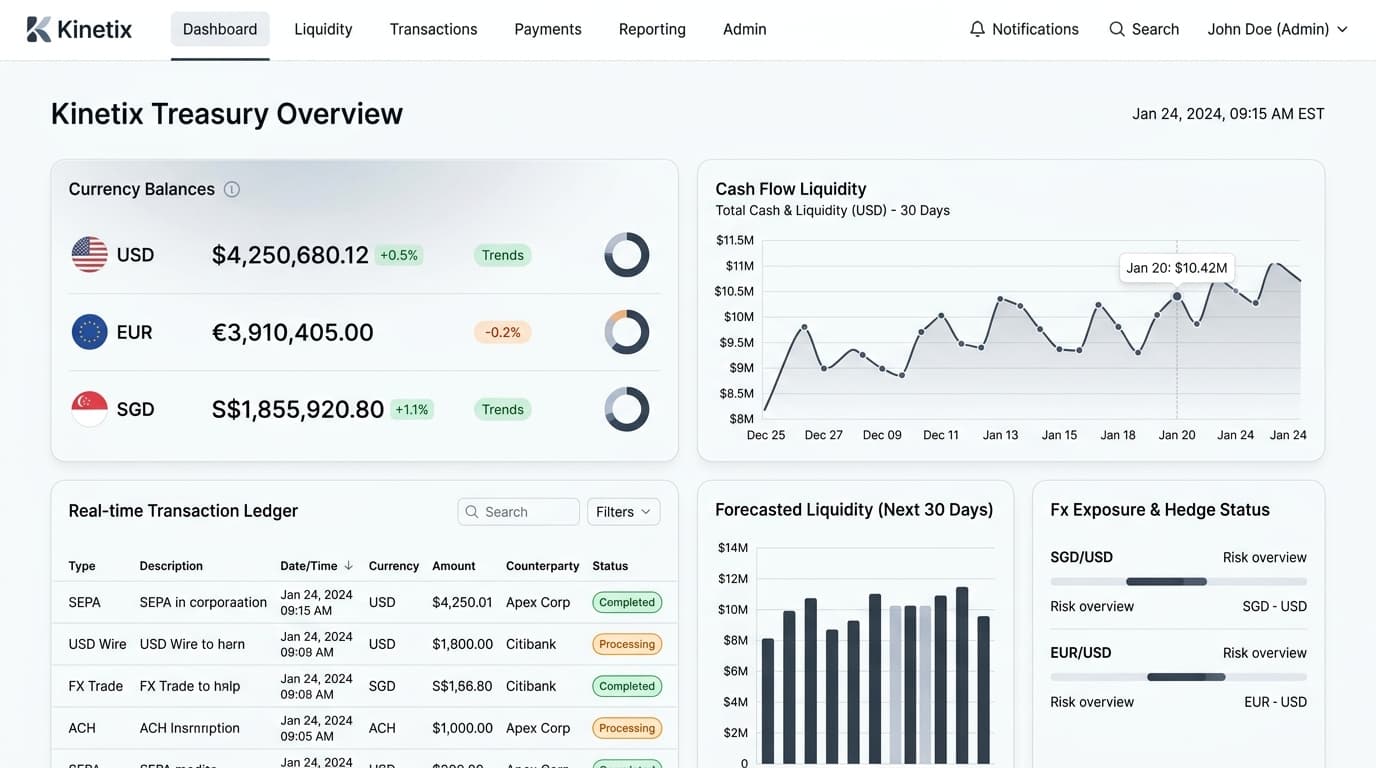
When designing dashboards for data-heavy platforms (like fintech, analytics, or telemetry), the most common architectural misstep is attempting to display every single metric and filter on page load.
1. The Power-User Paradox
Power users frequently demand "more filters, more columns, and raw tables." However, empirical usability studies consistently demonstrate that as visual density increases without hierarchy, decision fatigue and time-to-first-action skyrocket.
2. The Solution: Tiered Progressive Disclosure
By categorizing information into Ambient Overview, Contextual Action, and Deep-Dive Drawer, systems satisfy both executive operators and tenured administrators without visual clutter:
- Ambient Layer: Glanceable status badges, sparkline trends, and threshold anomalies requiring immediate attention.
- Contextual Layer: Actions accessible on hover/focus (such as quick status switches or row expansions) that stay hidden until relevant.
- Deep-Dive Layer: Slide-over sheets containing audit logs, raw payload parameters, and historical audit histories without breaking page context.
Good design is not the absence of complexity, but the ruthless orchestration of it.